













Building a custom home in Bracebridge
Bracebridge sits on the Muskoka River where it drops through the town's downtown waterfall, with a population of about 17,305. It is the administrative heart of the District of Muskoka and the service hub for lake country between Lake Muskoka and Lake Rosseau. Custom-home buyers here split into two very different jobs: a serviced in-town lot steps from the waterfall district, or a waterfront or bush lot on Shield terrain where granite, shoreline rules and access drive the whole build.
Permits and bylaw rules
Permits come from the Town of Bracebridge's building services. The Town's [Building Permits page](https://www.bracebridge.ca/town-services/building-services/building-permits/) walks through the application, which is filed online through Cloudpermit, with fees set in the Building By-law. Before applying, the Town has you confirm zoning with its Planning Department, and the application itself needs a site plan showing all buildings and septic locations, setbacks to every property line, hydro lines and hazards, and the lot entrance, plus to-scale working drawings from foundation plan up.
Beyond the basics, three Bracebridge realities shape the budget:
- Two layers of development charges. The Town's [Development Charges page](https://www.bracebridge.ca/town-services/building-services/building-permits/development-charges) shows By-law No. 2024-034, passed June 12, 2024, with rates indexed each January — $10,389 per unit for single detached, duplex and semi-detached homes effective January 1, 2026, and since Bill 17 payable at building occupancy rather than up front. The [District of Muskoka](https://www.muskoka.on.ca/en/finance-and-administration/development-fees-and-charges.aspx) levies its own charge on top under By-law 2024-34: $21,607 for a serviced single-detached unit in 2025, $4,939 unserviced.
- Septic, not sewer, outside the urban core. Where municipal sewers end, the Town's [Septic Systems page](https://www.bracebridge.ca/town-services/building-services/septic-systems/) explains that wastewater is treated on your property — tank plus leaching bed — designed to Ontario Building Code Part 8 and sized to the lot and the soil a percolation test finds.
- Waterfront lots face shoreline setbacks and floodplain checks. The Town's [Building Permits page](https://www.bracebridge.ca/town-services/building-services/building-permits/) points owners of property adjacent to the Muskoka River to the District of Muskoka's floodplain mapping before a permit moves.
Under Ontario law, any custom home builder must hold an HCRA licence and enroll the home with Tarion.
Lots, soil and climate
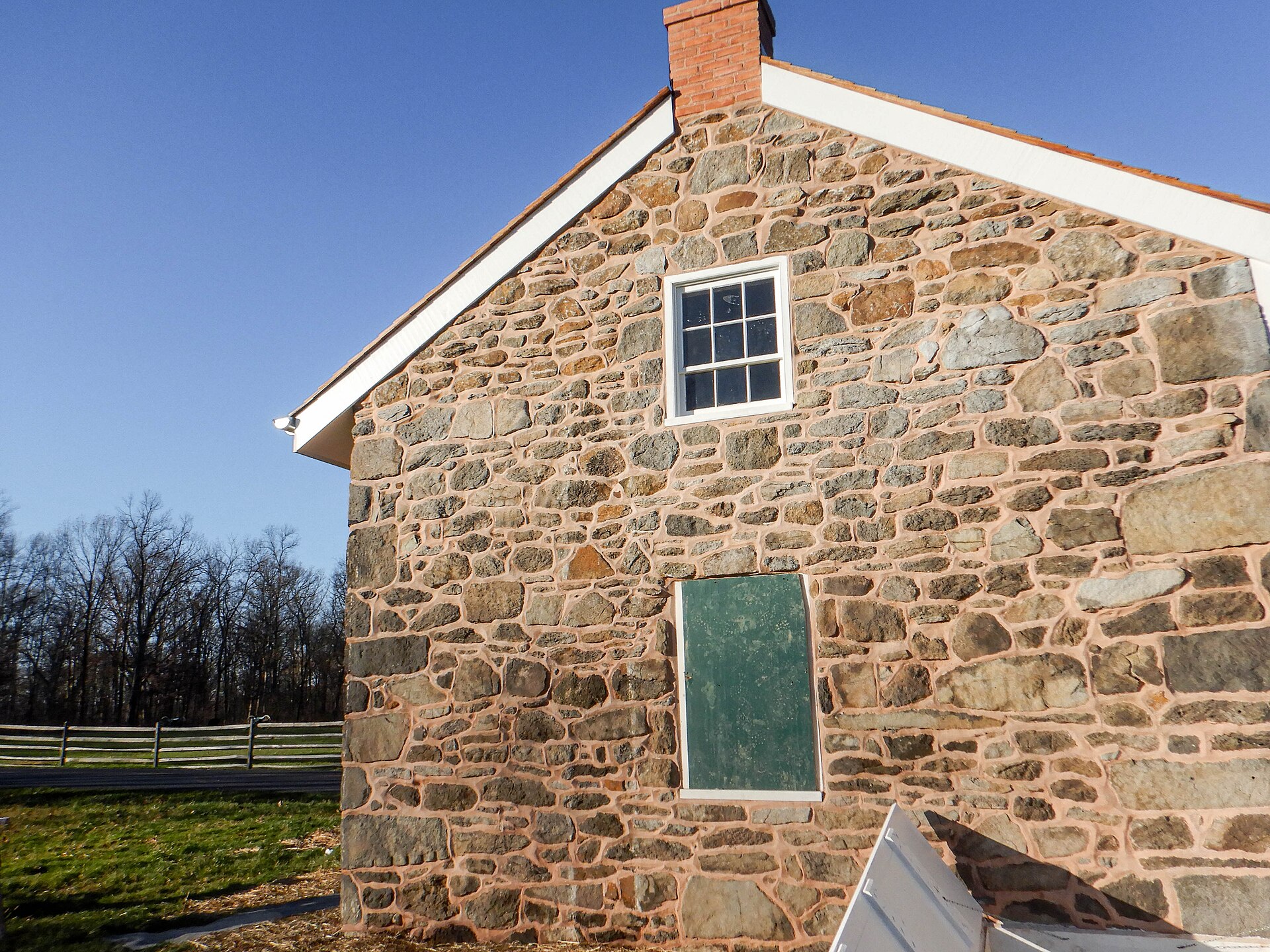
Bracebridge is Canadian Shield country: granite and gneiss bedrock with thin, patchy soil in the woods and deeper pockets in the valleys. On many lots the basement decision is bedrock-driven — blasting, anchoring footings to rock, or switching to a walkout or slab condition the terrain imposes. A geotechnical look at the lot before you buy it is the cheapest insurance in Muskoka. Waterfront lots on the Muskoka River and the lakes add setback distances, tree-cutting limits and shoreline-buffer rules to the site plan.
The climate is a snowy Muskoka valley: cold, sustained winters with frost penetrating 1.2 to 1.5 metres, heavy snow loads on roofs, and a short, busy construction season.
The season
Expect the outdoor season to run from mid-May through early November, with spring half-load restrictions on District and Town roads limiting heavy hauling until they lift, usually in late April or May. Lake and river lots can be later still — soft access and high spring water delay the start. The local rhythm is foundations in early summer, framing through the warm months, and weather-tight lockup before sustained cold, with interior work over the winter.
What drives the price and what to ask
Bracebridge prices are driven by bedrock work (blasting or anchoring), shoreline and environmental compliance on waterfront lots, septic and well systems outside the serviced core, the two-layer development charges, seasonal-road access logistics, and competition for trades in a market where cottages and homes bid for the same crews.
When interviewing custom home builders in Bracebridge, ask:
- Are you licensed with the HCRA, and is Tarion enrollment included?
- How many builds have you completed on Shield terrain — what is your approach to bedrock: blasting, anchoring, or engineered alternatives?
- Which of your projects needed shoreline setbacks or environmental review, and how did you steer the approvals?
- Do you design and permit septic systems yourselves, or do I need a separate designer?
- How do you handle both Town and District development charges in your budget?
- What access does the lot have — year-round road, seasonal road, water access — and how does that change cost and schedule?
- Are you fixed-price or cost-plus, what finish allowances are included, and what insurance, builder's risk and WSIB coverage do you carry?